
Student Academic Management System (SAMS), Odisha – Higher Education Department, Odisha

Student Academic Management System (SAMS), Odisha
Problem
- Multiple Applications and Institution Visits: Students seeking admission to multiple institutions had to visit colleges separately, collect forms, and submit multiple applications.
- Financial and Logistical Burden on Students: The manual admission process entailed additional travel, accommodation, and related expenses.
- Fragmented Admission Information: Admission-related information and updates were managed independently by institutions.
- Manual Processing and Administrative Workload: Managing large volumes of applications, verifying documents, and preparing merit lists required substantial administrative efforts.
- Lack of a Unified System: There was an ongoing challenge marked by a lack of transparency, consistency, and data-driven decision-making.
Solution
- Common Application Form (CAF): Enabled students to apply to multiple institutions through a single digital platform.
- Centralised Merit List Generation: Standardised seat allotment based on predefined admission criteria.
- Online Workflow Systems: Implemented online application submission, fee payment, and e-admission workflows.
- System Integrations: Integrated the platform with DigiLocker, e-District, payment gateways, result databases, and SPDP.
- Institutional Dashboards: Deployed dashboards, MIS reporting, digital verification, and student lifecycle management modules.
Outcomes
- Unified Process across Institutions: Established a single admission process across 4,921 educational institutions.
- Massive Student Enrollment: Enabled centralised, merit-based admission services for over 12.49 lakh students.
- Reduced Student Travel and Cost: Lowered student visits from multiple trips to a single visit, saving on travel expenses.
- Improved Educational Access: Allowed students to apply online across various institutions and educational streams seamlessly.
- Enhanced Inclusivity and Transparency: Improved consistency through centralised selection, standardised procedures, and digital monitoring.
Innovation
- Expansion across Educational Sectors: Broadened from basic admissions to Higher Education, Teacher Education, Postgraduate, Law and other programmes.
- Digital Transformation Integration: Mainstreamed automated merit generation, digital verification, and tracking systems into governance.
- Integrated Governance & Support Systems: Synced with external government systems to verify reservations, manage scholarships and apply fee waivers.
- COVID-19 Response Adaptability: Shifted to a fully online admission and digital communication setup to ensure continuity during the pandemic.
- NEP 2020 Reforms Alignment: Enhanced the system architecture to support revised admission frameworks and academic reforms.
Challenges
- Digital Access and Connectivity Constraints: Students in remote and underserved areas face internet connectivity issues and lack access to digital devices.
- Dependence on External Data Accuracy: The effectiveness of automated verification depends entirely on timely, accurate data.
- Continuous Adaptation to Policy Reforms: Frequent changes in educational policies and regulatory requirements necessitate ongoing modifications.
- Large-Scale Capacity Building: Ensuring consistent platform utilisation across thousands of institutions requires continuous training and stakeholder support.
- Infrastructure Overheads: Resolving the initial manual process challenges into a stable common framework.
SKOCH Award Nominee
Category: State Government – Higher Education Department
Sub-Category: secState Government – Higher Education Department
Project: Student Academic Management System (SAMS), Odisha
Start Date: 6-01-2009
Organisation: Higher Education Department, Odisha
Respondent: Aravind Agrawal
www.samsodisha.gov.in
Level: Excellence
Video
See Presentation
Gallery
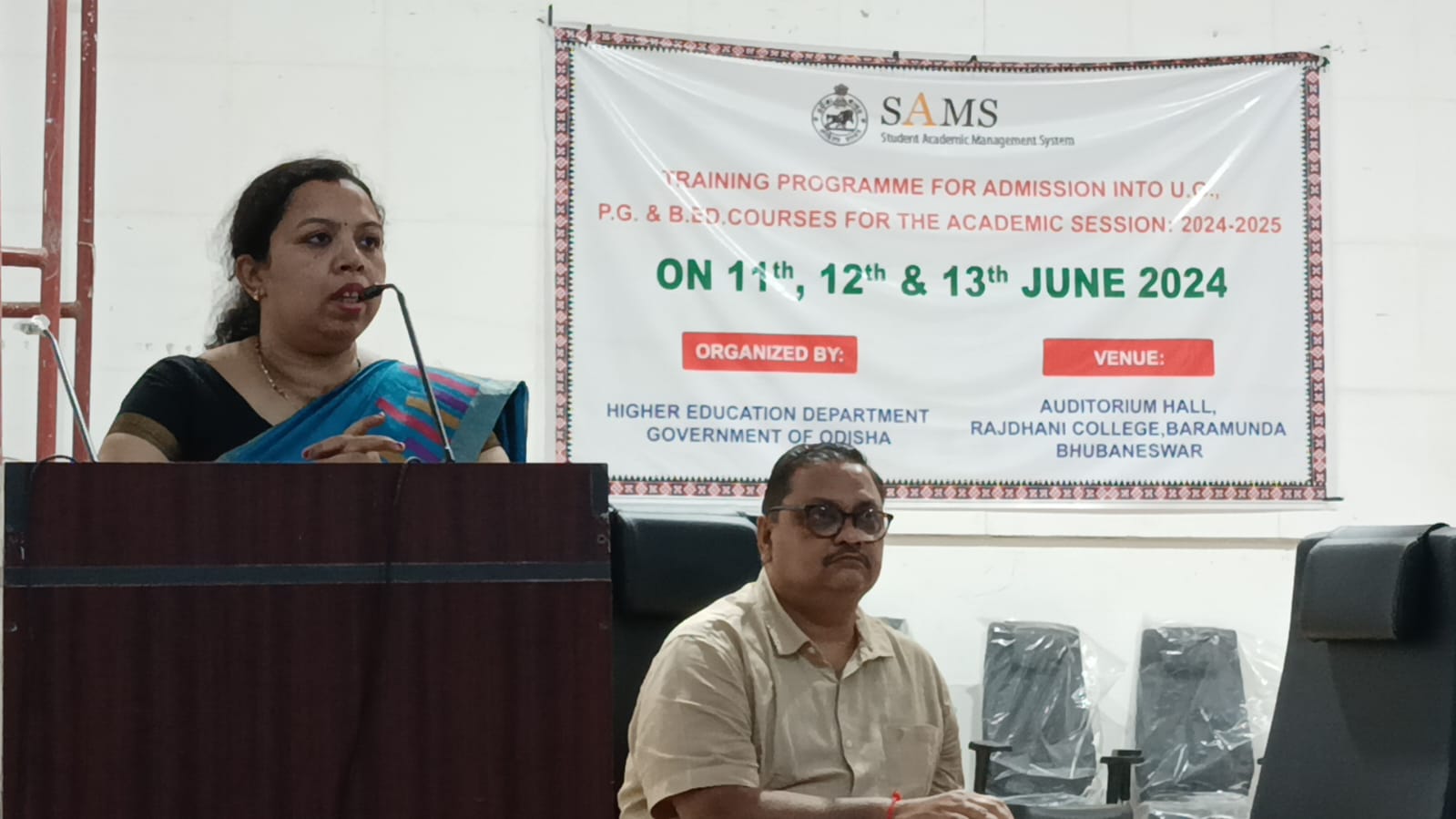
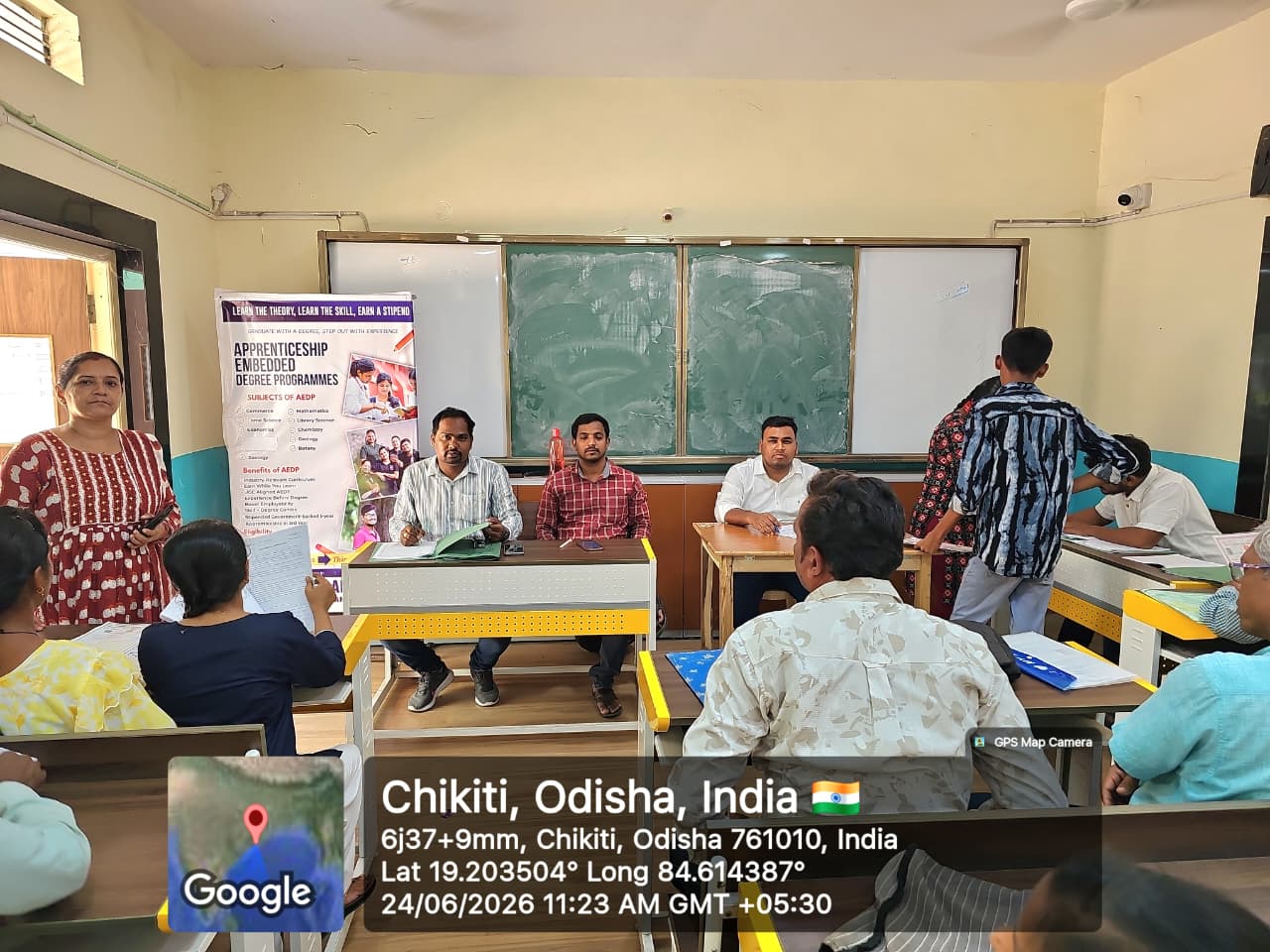
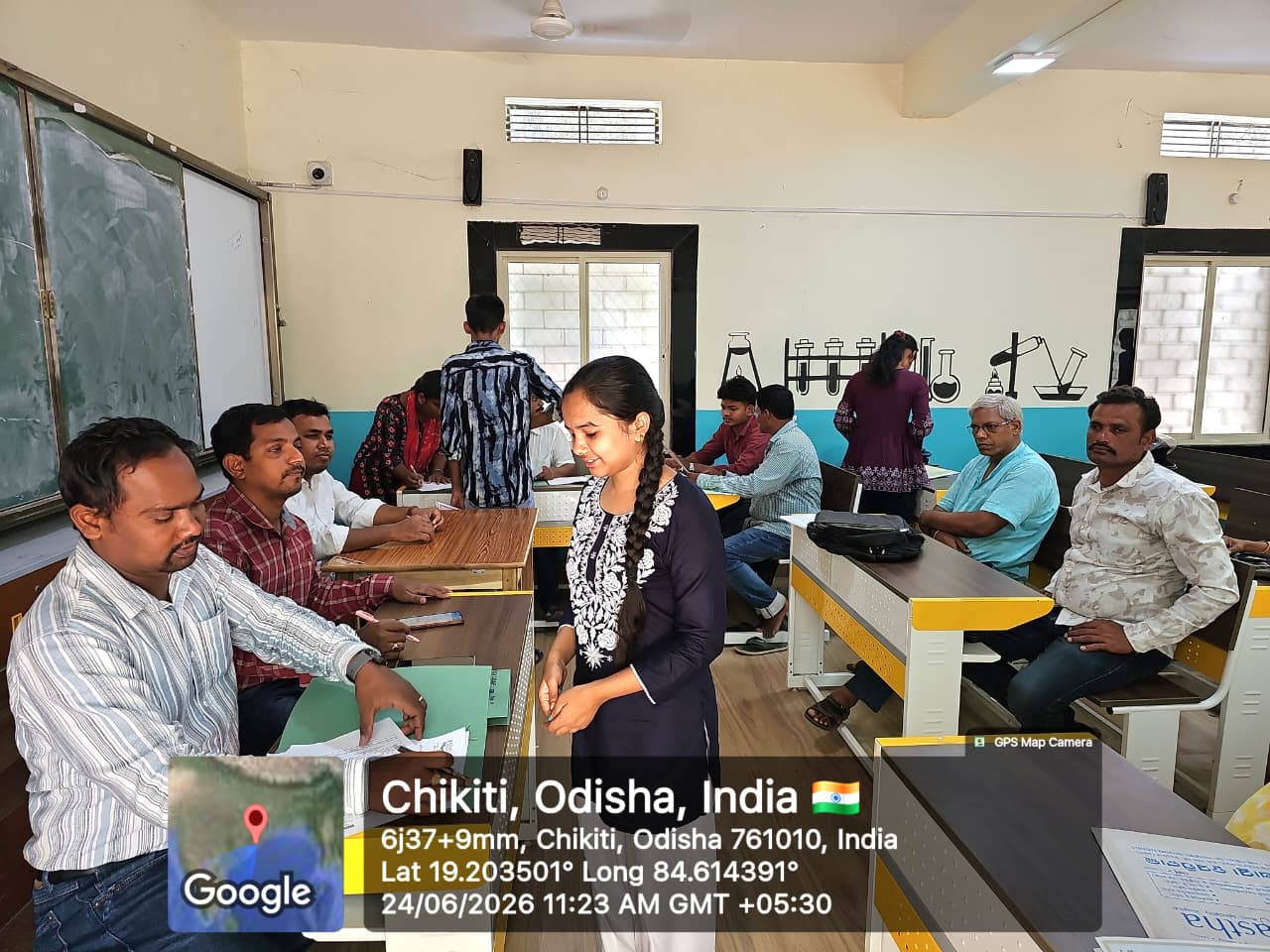
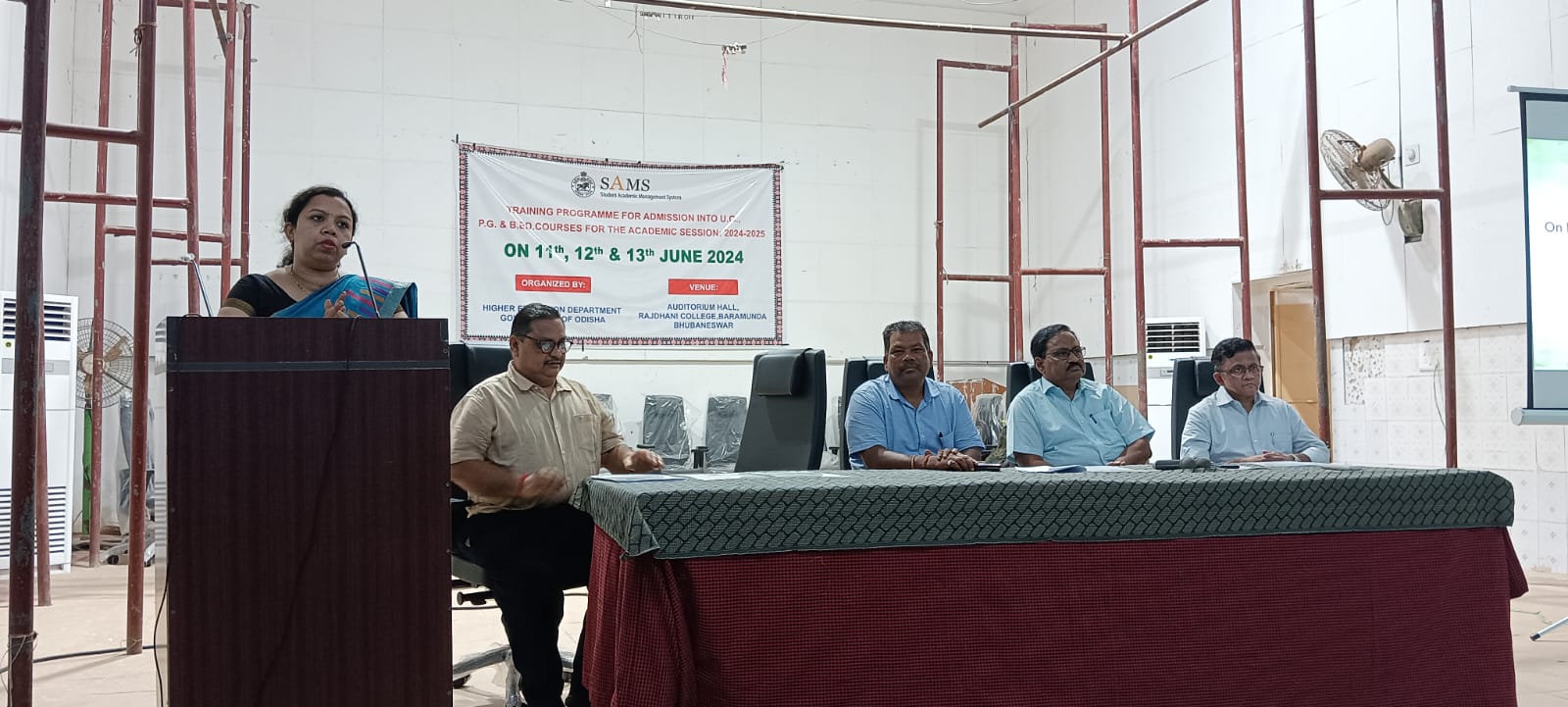
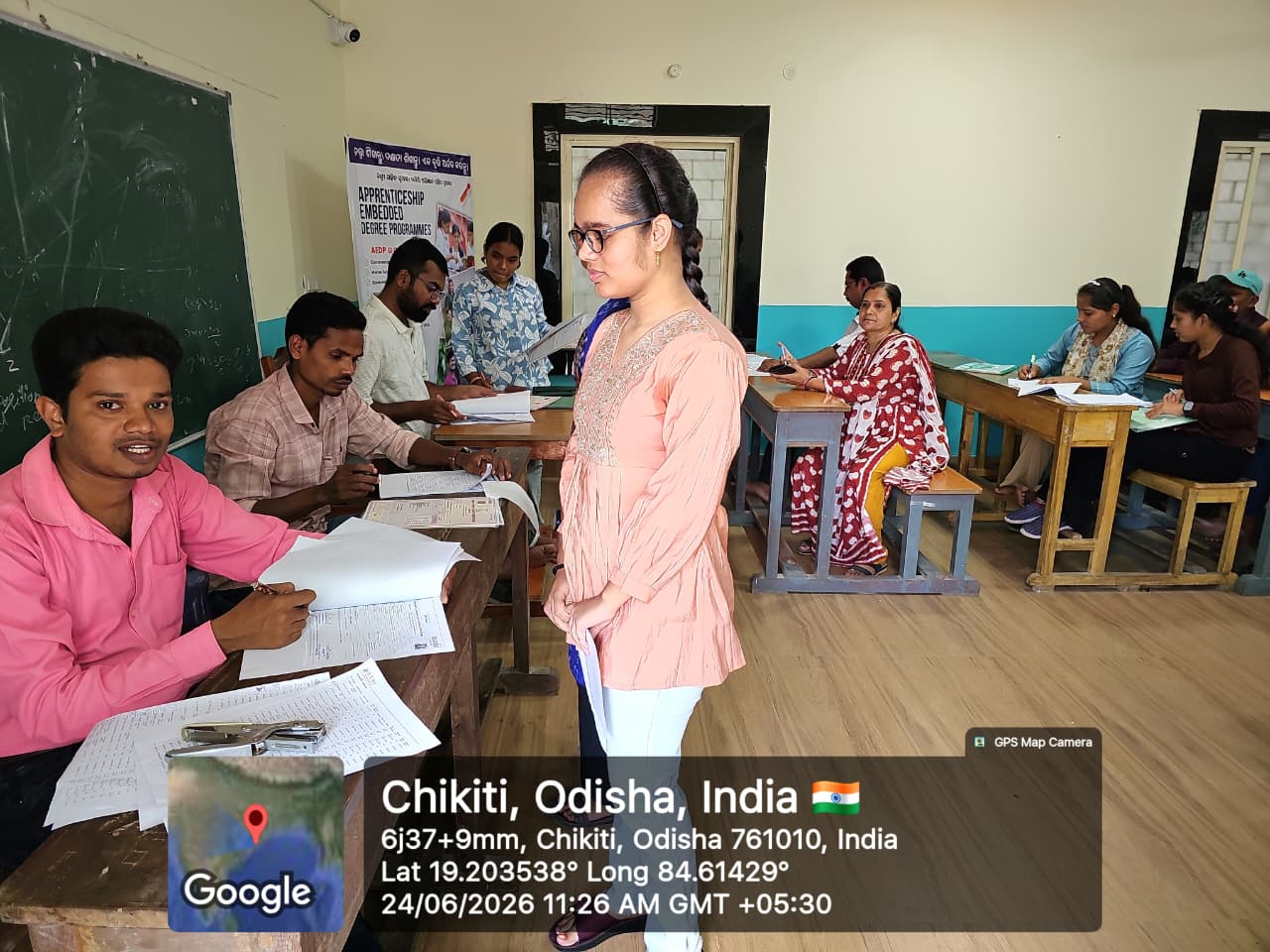
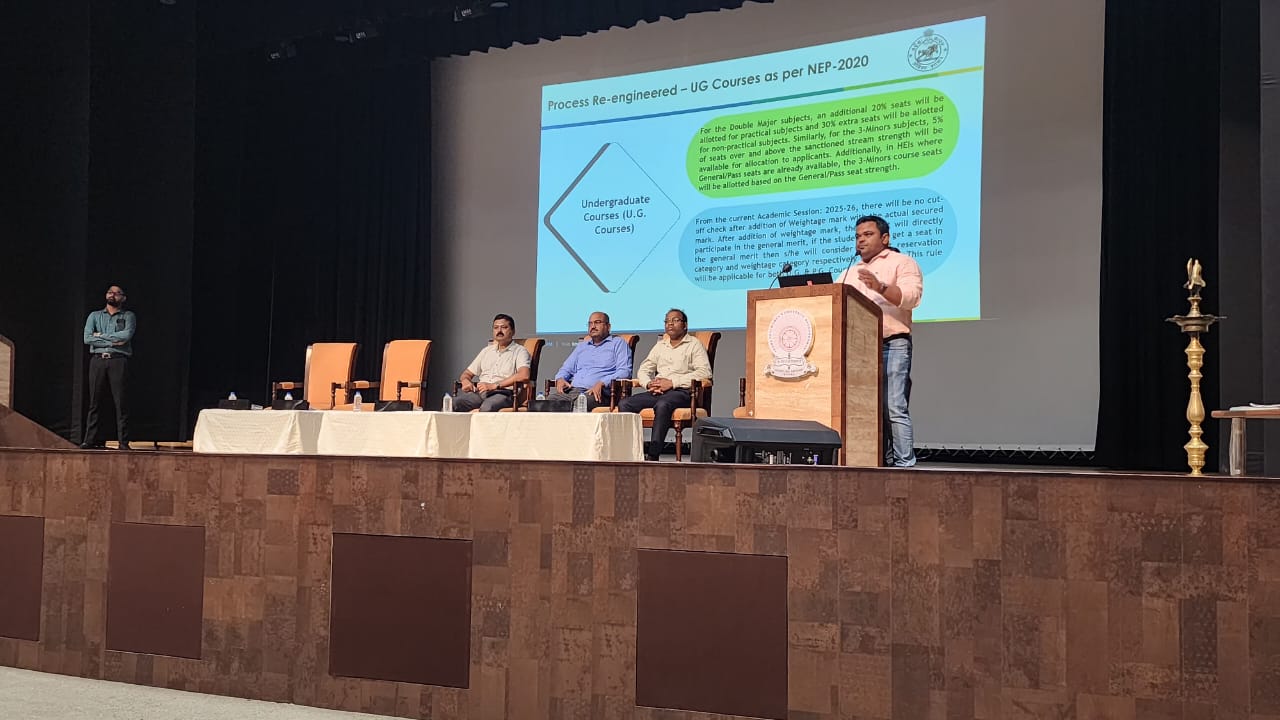
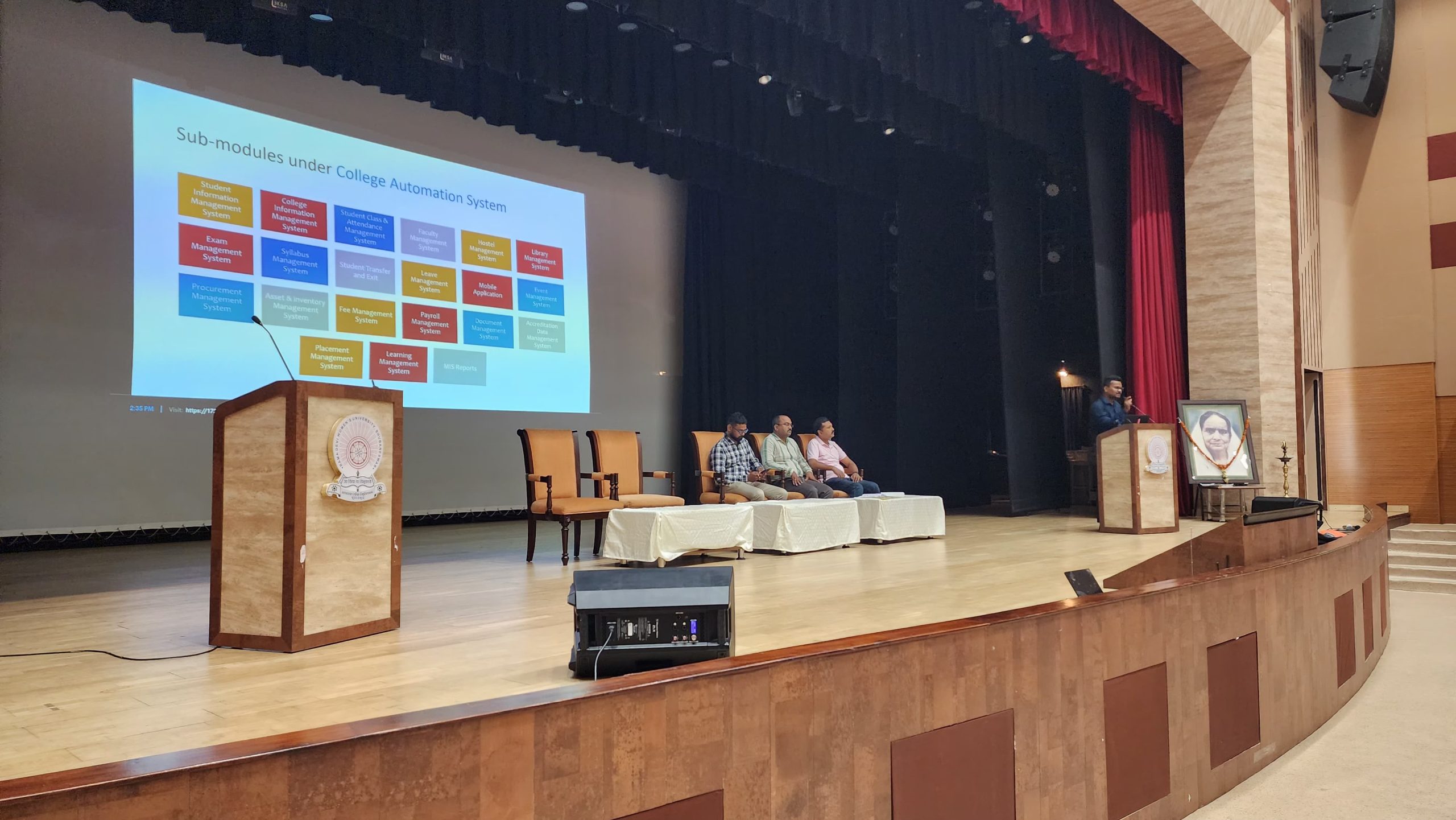
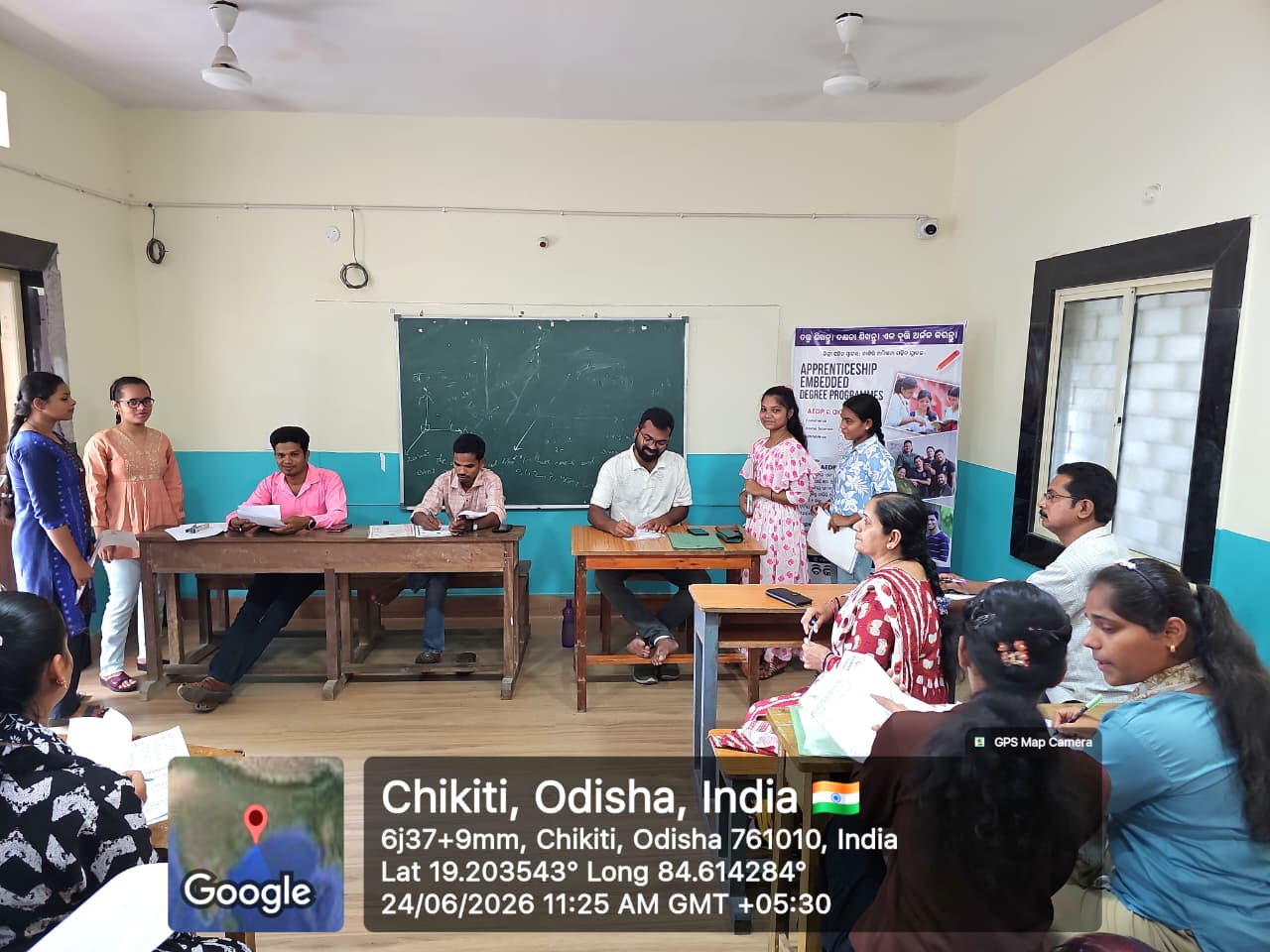
Case Study
The admission and academic management ecosystem within educational institutions was historically characterised by highly manual, fragmented, and error-prone procedures. Students, particularly those residing in rural, remote, or underserved geographical regions, faced massive financial and logistical burdens. Applying to multiple colleges meant travelling separately to each institution, manually purchasing and submitting individual application forms, and arranging temporary accommodation and food, resulting in significant cumulative expenses. For the institutions, the challenges were equally daunting. Higher education administrative staff had to grapple with overwhelming volumes of physical applications, execute manual document verification, and independently calculate and publish merit lists. Because admission notifications and academic records were maintained via separate, institution-specific frameworks rather than a common database, data tracking was severely disjointed, leading to administrative inefficiencies, long delays, and an acute lack of transparency across the state’s educational landscape.
To address these core systemic issues, the Higher Education Department of the Government of Odisha initiated a robust, technology-driven digital intervention by launching the Student Academic Management System, known as SAMS. The vision was to establish a scalable, unified digital governance framework that could replace decentralised, manual admission operations with standard, transparent, and merit-based workflows. The strategic foundation of the SAMS solution is built on the Common Application Form, which allows students to seamlessly apply to multiple educational institutions and distinct streams through a single online portal. Alongside this frontend interface, SAMS deployed automated systems for centralised merit list generation and seat allotment based entirely on predefined, fair admission criteria. The solution expanded its workflow structure online to encompass applications, e-admissions, and secure fee payments. To ensure seamless authentication and administrative speed, SAMS successfully integrated with crucial external databases, including DigiLocker, e-District, official result repositories, and the State Pension Delivery Platform. Institutional dashboards and comprehensive MIS reporting modules were deployed to offer universities real-time monitoring and a data-driven lifecycle tracking environment.
The extensive rollout and operational scaling of SAMS led to significant positive outcomes across the entire higher education network. The platform successfully established a single, fully unified admission framework governing 4,921 educational institutions across the state of Odisha. During its operational lifespan, SAMS has successfully delivered centralised, merit-based admission services to an impressive external beneficiary base of over 12.49 lakh students. Logistically, the introduction of the digital application system transformed the student experience by dramatically lowering the number of personal institutional visits down to just a single trip, effectively mitigating travel expenses and geographical disparities. Inclusivity, procedural consistency, and strict adherence to selection guidelines have drastically improved due to automated verification and digital monitoring. The system’s resilience was strongly proven during the global COVID-19 pandemic, when it successfully transitioned into a completely remote, digital communication and application format to preserve educational continuity.
Moving forward, the SAMS portal remains poised for extensive scalability and long-term evolutionary growth. Thanks to its highly modular software architecture, the system is primed to align continuously with incoming policy shifts, such as the strategic academic reforms mandated under the National Education Policy 2020. Future roadmaps for the application focus heavily on enhancing student lifecycle capabilities by fully integrating national academic platforms like the Academic Bank of Credits, introducing advanced AI-driven decision tools, and expanding digital citizen services to maximise transparency and institutional efficiency.
For more information, please contact:
Aravind Agrawal at hedsec.od@od.gov.in
(The content on the page is provided by the Exhibitor)