
Process Optimization through Advanced Analytics – ITC Limited

Process Optimization through Advanced Analytics – ITC Limited
Problem
- Raw Material Variability: High variability in agricultural raw materials caused inconsistent process performance and product quality outcomes.
- Disconnected Systems: Critical process and quality data existed in disconnected systems (SAP, SCADA, PLC, and manual logbooks), limiting end-to-end visibility.
- Operator Dependency: Operator-dependent decision-making led to shift-wise variability, reactive control, sub-optimal settings, higher scrap, and yield loss.
- Complex Parameter Interactions: Interdependent relationships among moisture, temperature, feed rate, and machine settings could not be optimized using conventional methods.
- Lack of Predictive Optimization: Inability to predict process behavior prevented the identification and replication of optimal operating conditions (“Golden Batch”).
Solution
- Data Integration: Integrated PLC/SCADA data via KEPWARE OPC UA into OSI PI Historian, unifying SAP, quality, and production data via a secure DMZ architecture.
- Centralized Data Model: Cleansed and structured ~3 years of historical process data to establish a centralized data model for advanced analytics.
- Deep Neural Network Model: Evaluated multiple ML techniques and implemented a deep Artificial Neural Network (ANN) architecture for precise prediction.
- Digital Twin & MPC: Developed grade-wise Digital Twin models integrated with Model Predictive Control (MPC) to generate optimal operating recommendations.
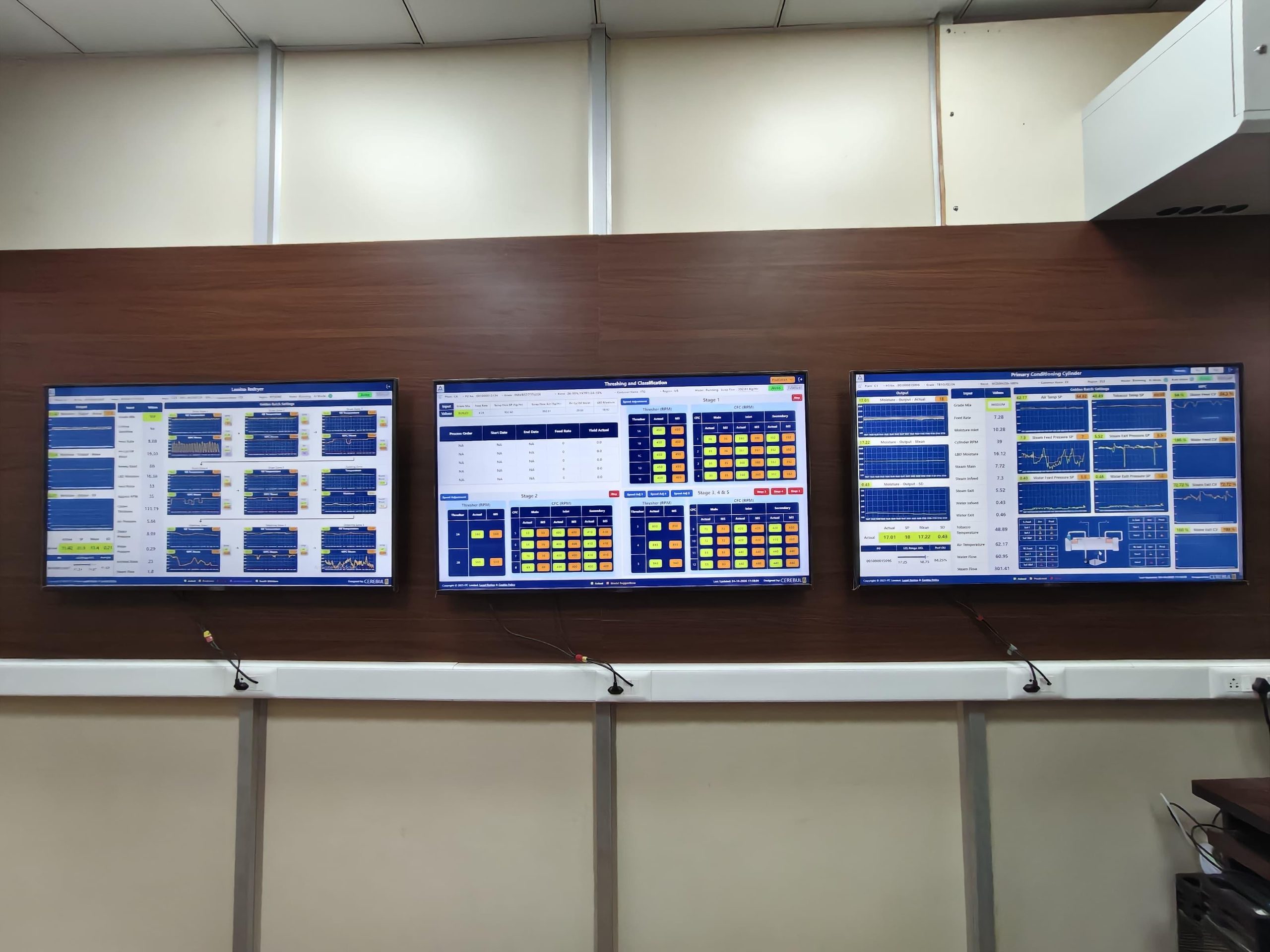
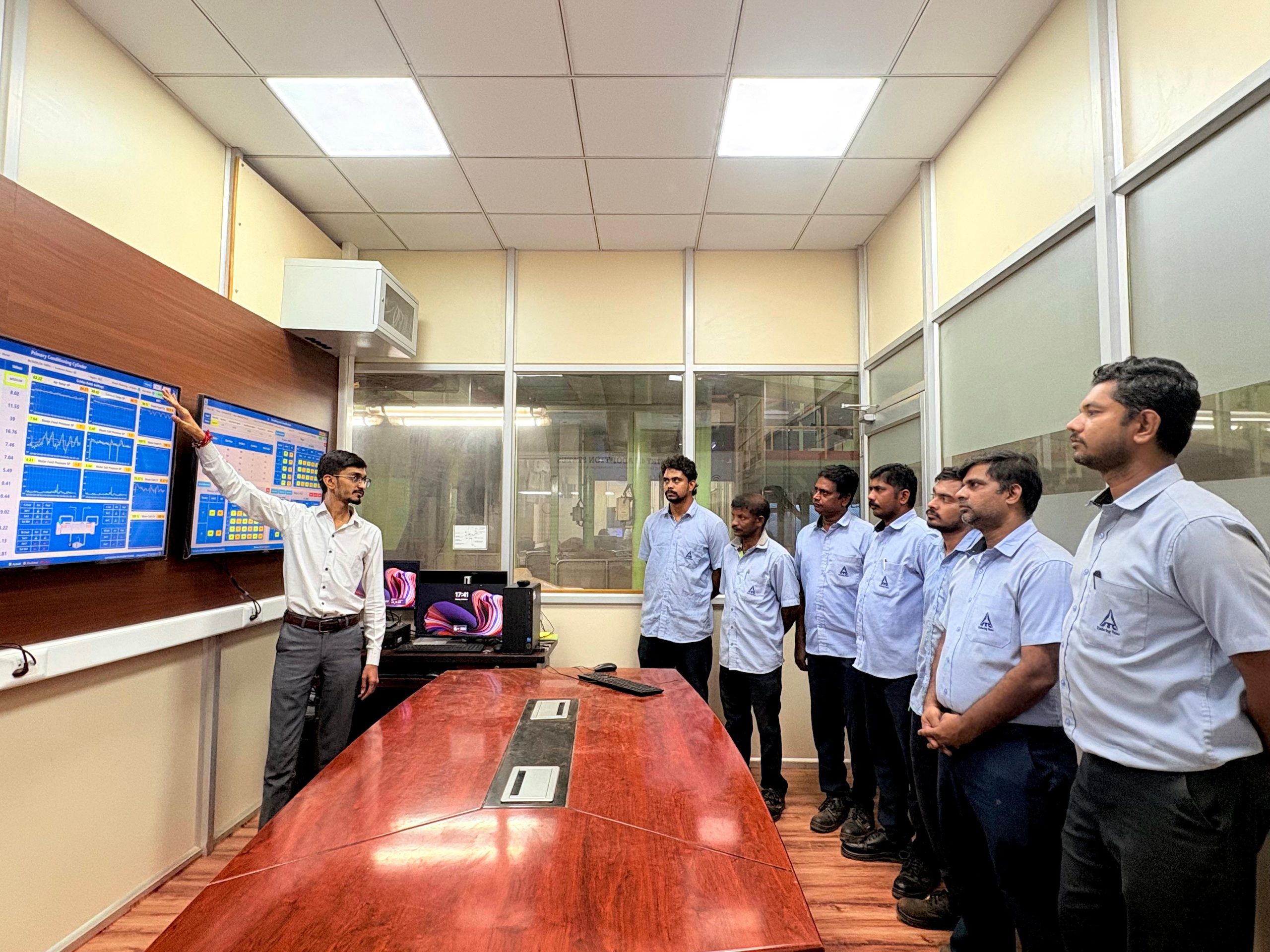
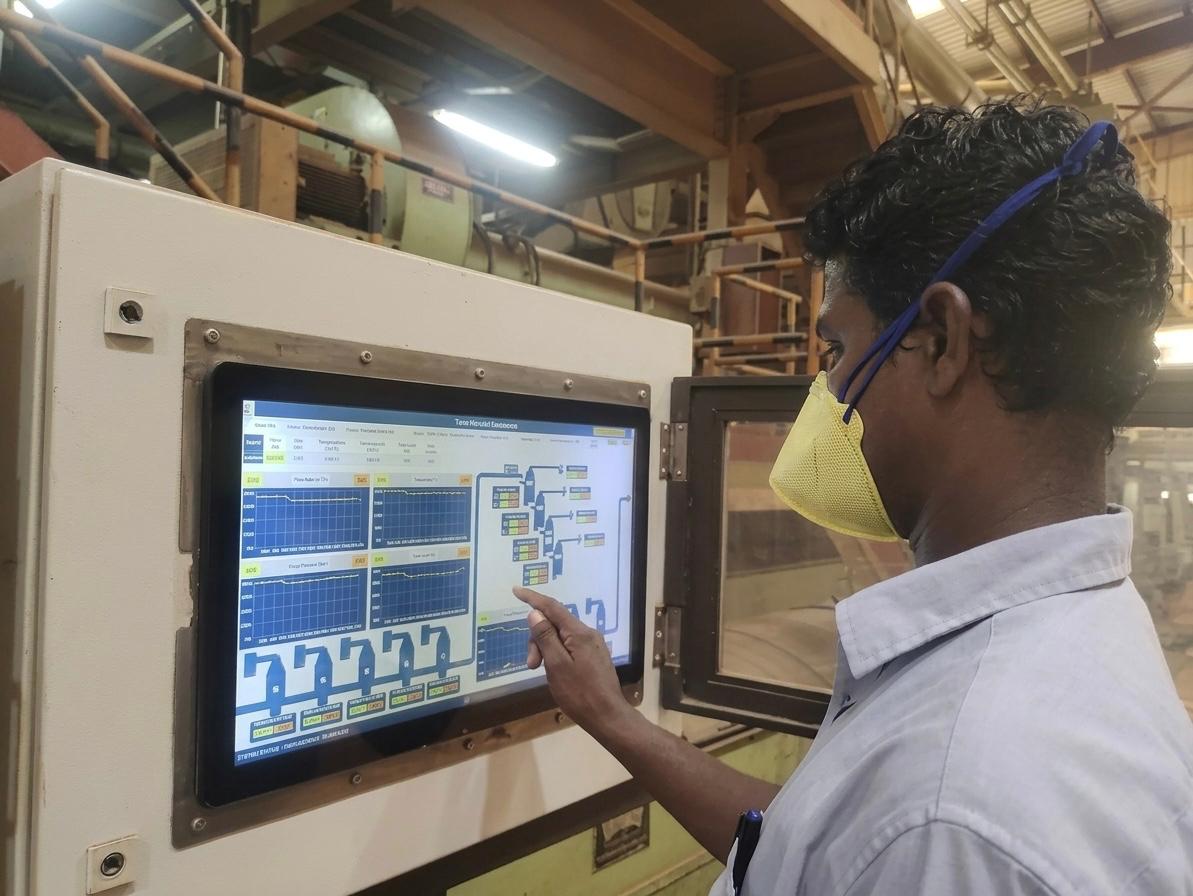
- Closed-Loop Control & Adoption: Implemented real-time dashboards, MLOps, concept-drift detection, closed-loop optimization, and achieved 100% operator training coverage.
Outcomes
- Yield Improvement & Savings: Significant lamina yield improvement, translating into substantial cost savings.
- Moisture Consistency: 50% reduction in Standard deviation contributing to superior moisture consistency
- Quality Conformity:0.12% reduction in Small lamina generation enhancing lamina yield and product quality
- Process Stability: 25% reduction in Standard deviation delivering enhanced process stability and improved moisture conformity
- Automated Operations: Enabled automatic parameter optimization via closed-loop AI and MPC, significantly reducing manual intervention and improving repeatability.
SKOCH Award Nominee
Category: Digital Transformation
Sub-Category: Digital Operations and Efficiency
Project: Process Optimization through Advanced Analytics
Start Date: 4-01-2025
Organisation: ITC Limited
Respondent: Ayush Pradip
https://itcportal.com/
Level: DX – 1
Video
See Presentation
Gallery
Case Study
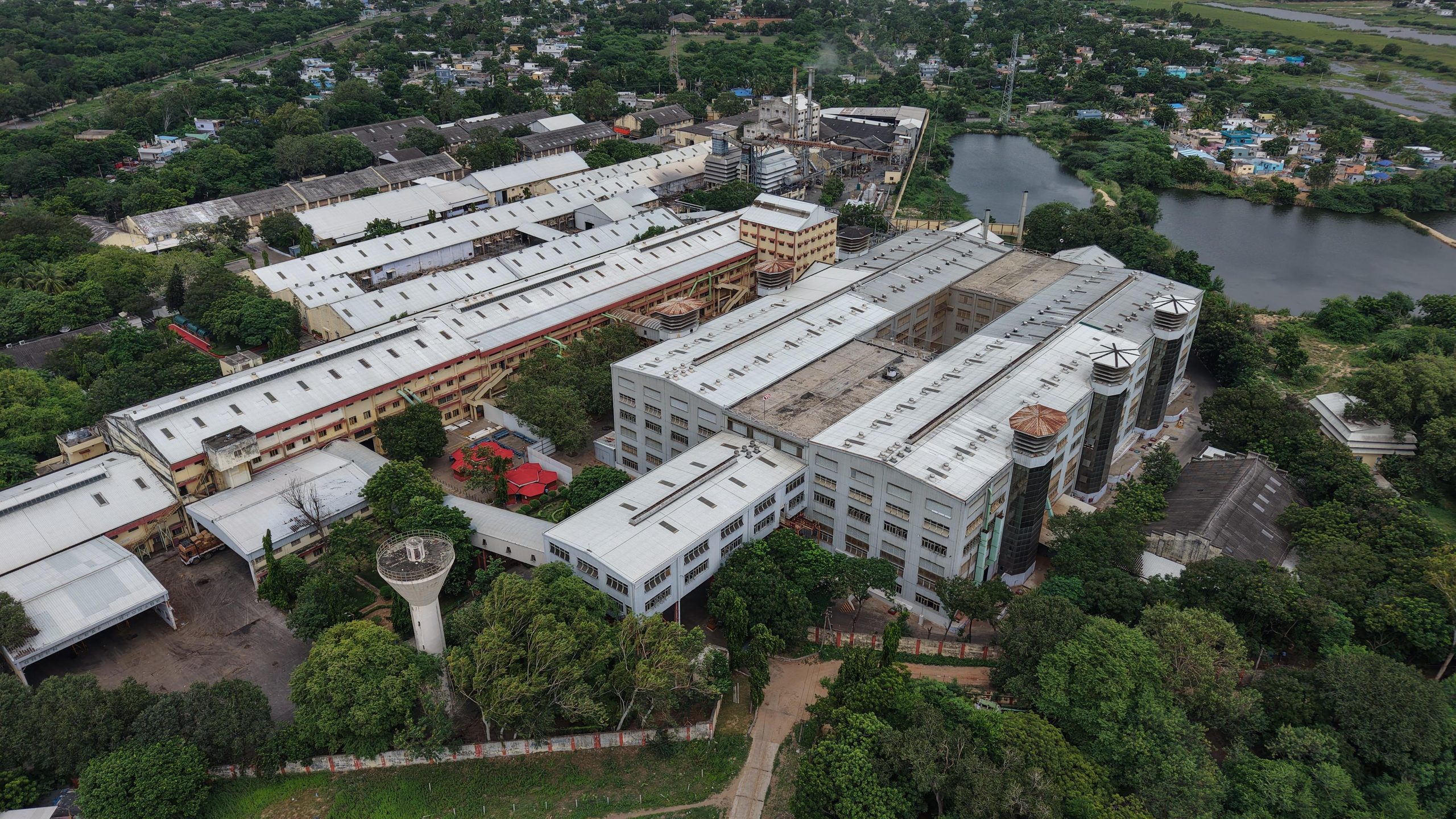
ITC’s Chirala Green Leaf Threshing Plant (CGLT), one of India’s largest tobacco processing facilities, undertook a digital transformation initiative to convert experience-driven operations into an AI-enabled manufacturing ecosystem. Faced with agricultural raw material variability and strict quality requirements, ITC integrated advanced analytics across key processing stages.
Challenges
The facility faced significant operational hurdles due to raw material inconsistency:
- Process & Quality Variability: High raw material variability led to unpredictable quality and process outcomes.
- Data Silos: Critical operational and quality metrics were trapped across disconnected systems like SAP, SCADA, PLCs, and manual logs.
- Operator Dependency: Manual, reactive decision-making caused shift-to-shift inconsistency, higher scrap, and yield loss.
- Complex Interactions: Interdependent variables—such as moisture, feed rate, and temperature—were too complex for traditional control methods.
The Solution
ITC deployed a closed-loop digital architecture leveraging AI/ML, Digital Twins, and Model Predictive Control (MPC):
- Data Integration: Unified OT and IT data from PLC/SCADA, SAP, and quality systems into an OSI PI Historian via KEPWARE OPC UA.
- Predictive Modeling: Cleansed three years of historical data to train a deep Artificial Neural Network (ANN) capable of modeling complex, non-linear relationships across parameters.
- Digital Twins & MPC: Implemented grade-specific Digital Twins paired with MPC to simulate operating conditions and generate proactive parameter recommendations.
- Shop-Floor Adoption: Deployed real-time dashboards and concept-drift monitoring while providing 100% training coverage to ensure full operational adoption.
Key Results & Impact
The deployment transformed CGLT into a data-driven, self-optimizing plant, delivering significant quantifiable results:
- Yield & Cost Savings: Achieved a 0.2% improvement in lamina yield, generating approximately ₹3.1 crore in annualized savings.
- Enhanced Quality & Consistency: Reduced packing moisture variability by ~30% (outlet deviation <0.3) and increased Particle Size Distribution (PSD) conformity to 99.8%.
- Improved Process Stability: Reduced Conditioning Cylinder standard deviation from 1.5 to 0.75 and Redryer variability from 0.4 to 0.3.
- Autonomous Operations: Transitioned to automated closed-loop parameter adjustments, lowering operator dependency and establishing a scalable digital framework for future replication.
For more information, please contact:
Ayush Pradip at ayush.pradip@itc.in
(The content on the page is provided by the Exhibitor)