
Tamil Nadu Model Schools – Tamil Nadu Model Schools Society

Tamil Nadu Model Schools
Problem
- Economic Exclusion: Tuition, materials, and coaching costs were completely prohibitive for low-income families, acting as a fee-based filter on higher education opportunities.
- No Preparation Ecosystem: Urban coaching markets were entirely inaccessible, leaving rural and peri-urban students with zero access to structured JEE, NEET, or CLAT readiness pathways.
- Absence of Mentoring: First-generation learners lacked role models, navigational guidance through complex higher education systems, and an institutional memory of how to compete.
- Aspirational Suppression: Without any visible proof of local success, the ambition of students was stunted, compounding the existing opportunity gap.
- Systemic Fragmentation: Pre-existing sporadic interventions only addressed single points of failure rather than tackling the full spectrum of barriers students faced.
Solution
- Rapid Operationalisation via Rented Premises: School premises were rented in identified districts to allow Model Schools to begin functioning immediately in AY 2021–22 without waiting for new construction.
- Purpose-Built Campus Infrastructure: The state initiated construction of purpose-built campuses costing Rs. 56.472 Crores per school, which feature dedicated boys and girls hostels to replace the interim rented facilities district by district.
- Accelerated Hiring of Specialist Faculty: Specialist faculty members were identified, hired, and onboarded on an accelerated timeline, alongside general government school teachers who volunteered to join.
- Progressive Budget Scaling: Secured expanding budget approvals that scaled significantly from Rs. 23.32 Crores in Year 1 to Rs. 215 Crores by AY 2024–25 to match the pace of the district rollout.
- Statewide Cascading Teacher Training: Implemented a cascading model to extend competitive exam training expertise statewide, training 1,095 government, Adi Dravidar, and Tribal Welfare school teachers in AY 2024–25 alone.
Outcomes
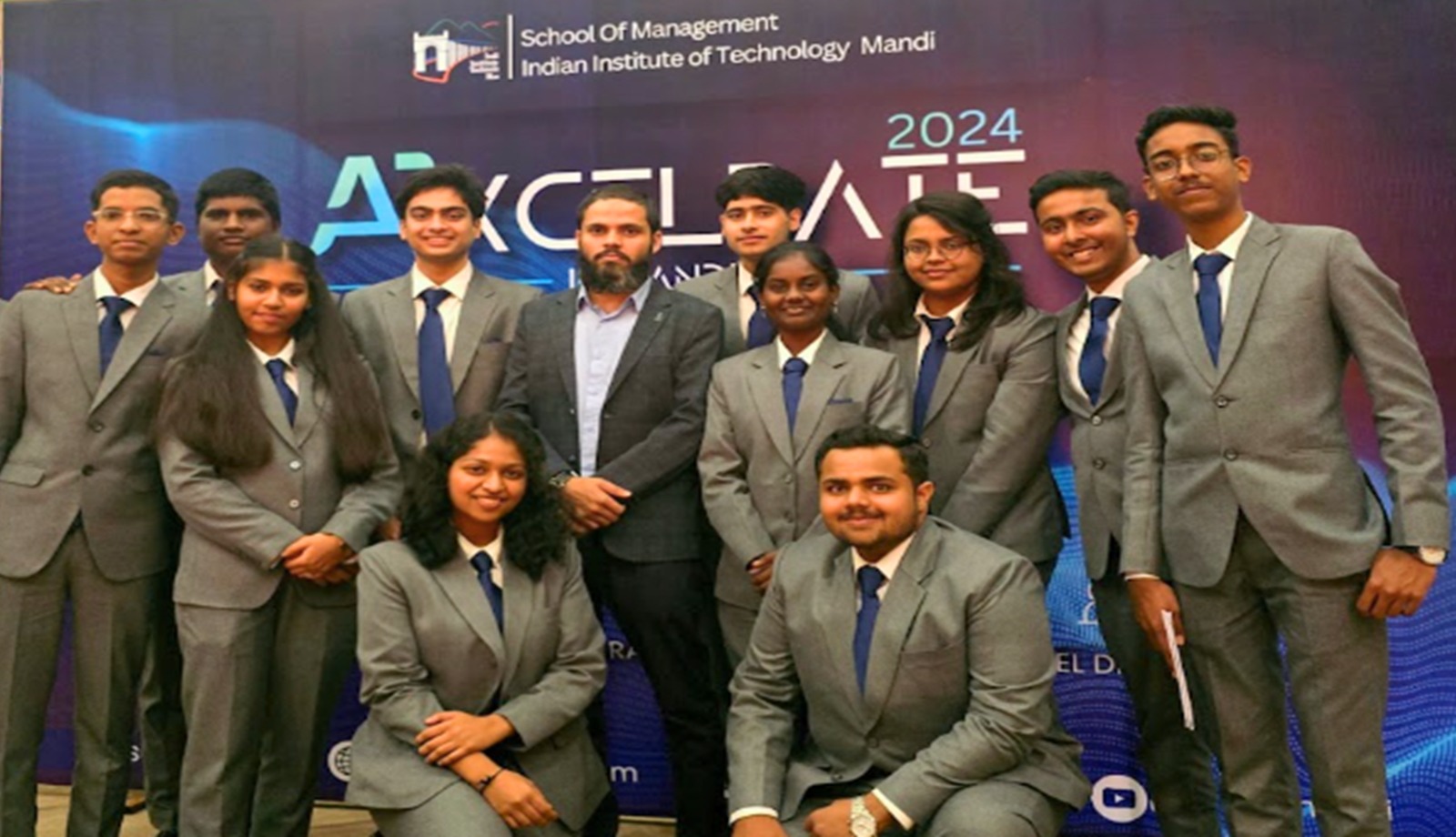
- 17-Fold Increase in Admissions: Premier national institution admissions rose from 75 in AY 2021–22 to 1,340 in AY 2024–25, achieving a cumulative total of 2,317 students placed across 93 institutions.
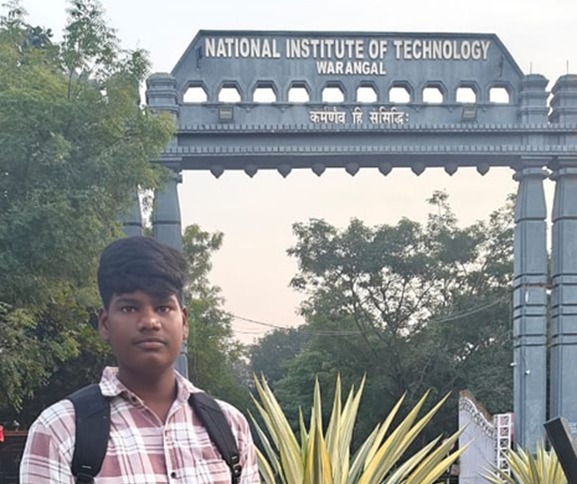
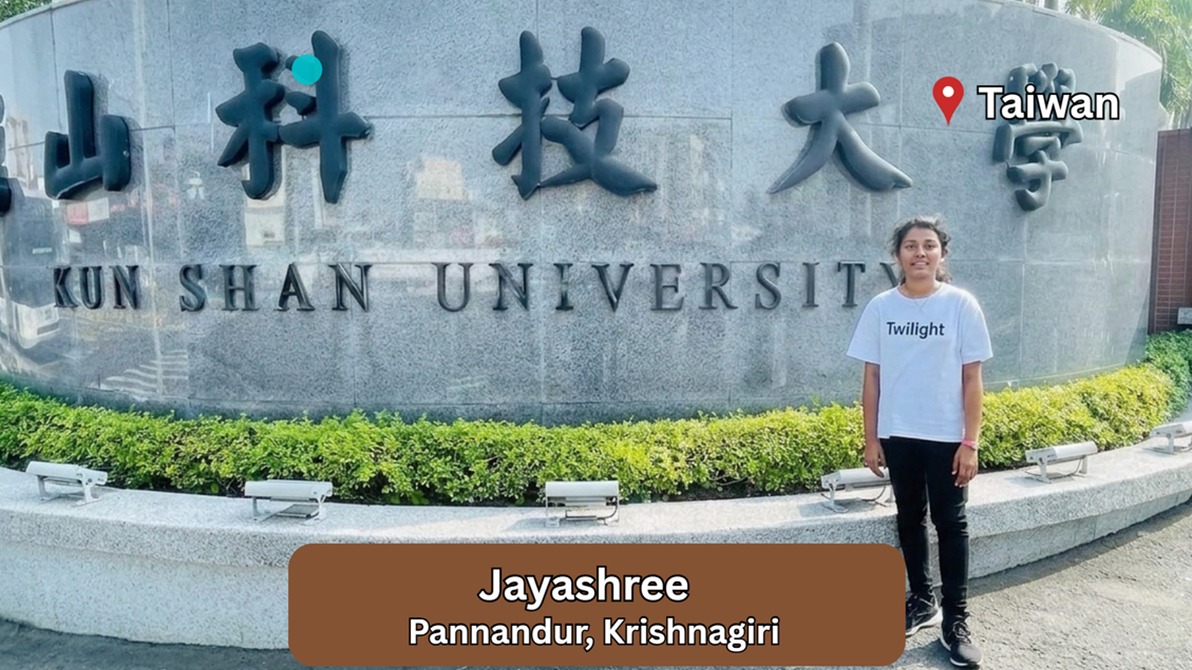
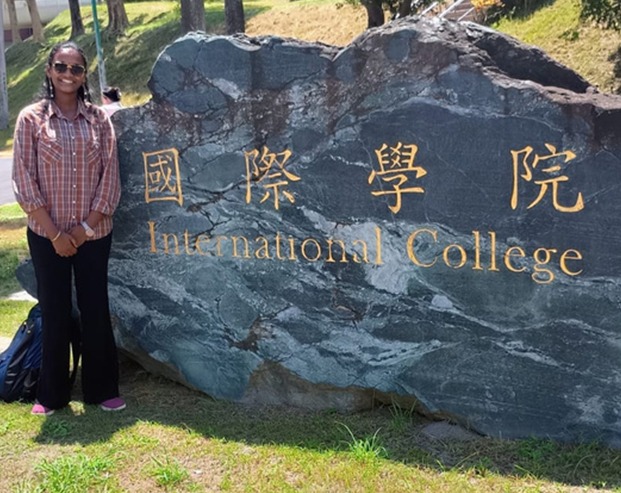
- Elite and International Placements: Secured placements for 41 students currently studying at IITs and 17 students on fully funded international scholarships to universities in Japan, Taiwan, and Malaysia.
- Inclusive Education Success: Placed 77 Children with Special Needs (CwSN) in premier institutions and successfully placed an Adi Dravidar and Tribal Welfare school student at IIT Madras.
- Statewide Teacher & Digital Scaling: Trained 1,095 government teachers in a single academic year and deployed the Manarkeni app statewide with animated concept videos and past papers.
- Ecosystem Support Extensions: Extended a structured career guidance framework to all government higher secondary schools and established an active alumni mentoring programme.
Challenges
- Teacher Availability and Quality: Recruiting and retaining subject specialists for postings in remote districts proved consistently difficult.
- Regional Performance Variations: Consistency of project outcomes and student performance varied significantly across different districts.
- Resource Availability: Securing and maintaining high-quality teaching resources specifically focused on competitive exams was a key obstacle.
- Tight Timelines: The program faced heavily resource-intensive operations paired with tight implementation timelines.
- Resource Intensity of the Core Model: The fully state-funded residential structure remains inherently resource-intensive to operate and maintain.
Innovations
- Fully State-Funded, Zero-Cost Residential Model: Replicates the integrated, elite ecosystem of private schools at public expense, removing 100% of the financial and logistical barriers for marginalized students.
- Hub and Spoke Architecture: Uses Model Schools as innovation resource hubs that cascade tested pedagogy, digital content, and career frameworks to non-residential government schools statewide.
- The Centre of Academic Excellence (COAE): Established a centralized facility in Chennai specifically designed to provide advanced preparation pathways for students requiring deeper competitive exam support.
- Self-Sustaining Alumni Mentoring Network: Mapped by district, school, and subject, this network permanently embeds community role models to inspire subsequent cohorts and structurally shift local aspirations.
- Disciplined, Data-Driven Learning Loops: Integrates individual student performance tracking via EMIS with rapid real-time course corrections, ensuring student setbacks directly refine exam strategies and scholarship pathways
SKOCH Award Nominee
Category: State Government – Other States Government
Sub-Category: secState Government – Other States Government
Project: Tamil Nadu Model Schools
Start Date: 1-20-2022
Organisation: Tamil Nadu Model Schools Society
Respondent: B. Chandra Mohan
https://tnschools.gov.in/
Level: Premium Star
Video
See Presentation
Gallery

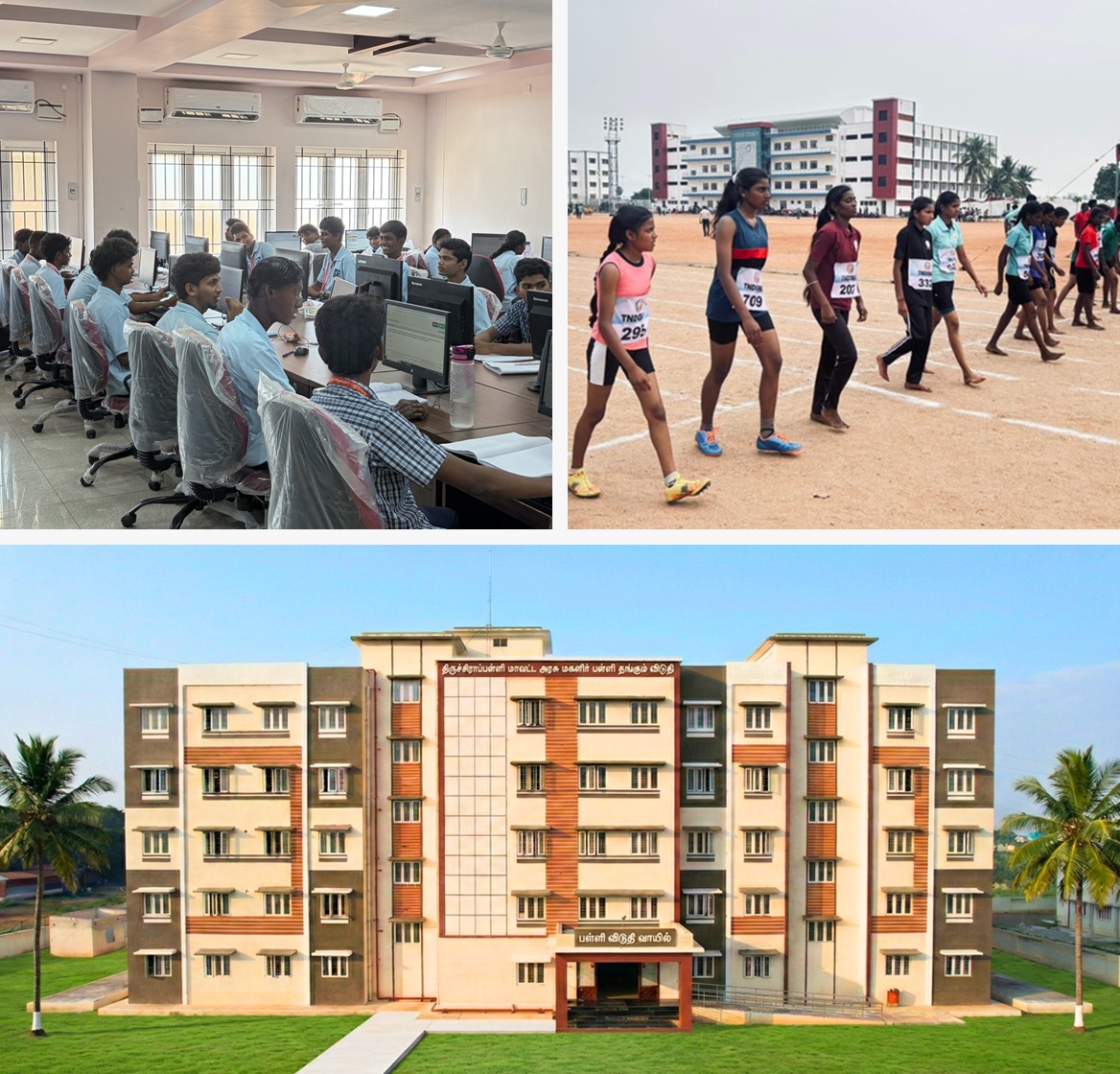
Case Study
The Tamil Nadu Model Schools (TNMS) initiative stands as a landmark governance intervention designed to democratize access to premier higher education for marginalised students. Launched in 2021 under the leadership of the School Education Department, the project directly addressed a stark systemic inequity: government school students comprised nearly half of the state’s Class 12 cohort but maintained a near-zero representation in elite national institutions like IITs, NITs, and AIIMS. Low-income families faced severe economic exclusion due to prohibitive coaching and tuition costs, while rural areas completely lacked a competitive preparation ecosystem. Furthermore, first-generation learners suffered from a total absence of navigational mentoring and an institutional memory of how to compete, which ultimately suppressed student aspirations across generations.
To dismantle these barriers, the state implemented a fully funded, zero-cost residential model that completely absorbs all academic, boarding, and personal expenses, ensuring zero financial burden on families. The strategy prioritised rapid operationalisation by initially renting local premises across districts to avoid construction delays, while simultaneously deploying Rs. 56.472 Crores per school to build state-of-the-art permanent campuses featuring dedicated hostels. Administratively, specialist faculty were onboarded on accelerated timelines, and the state’s financial commitment scaled rapidly from Rs. 23.32 Crores to Rs. 215 Crores by AY 2024–25. Crucially, the model evolved into a hub-and-spoke architecture, establishing a Centre of Academic Excellence in Chennai for advanced preparation and cascading competitive training to over 1,000 general and tribal welfare school teachers statewide.
The intervention has delivered transformative outcomes, highlighted by a staggering 17-fold increase in premier institution admissions—jumping from 75 to 1,340 annual placements within just four years. Cumulatively, TNMS has secured 2,317 placements across 93 premier national and international institutions, including 41 IIT admissions, 17 fully funded international scholarships, and 77 placements for Children with Special Needs (CwSN). Despite challenges such as teacher retention in remote areas and district-level outcome variations, TNMS mitigates these through data-driven performance dashboards and a self-sustaining alumni mentoring network. By shifting the community’s perception of what is possible and embedding disciplined learning loops into policy, the project successfully transitions from a targeted welfare scheme into a replicable national model for equitable public education.
For more information, please contact:
B. Chandra Mohan at schsec@tn.gov.in
(The content on the page is provided by the Exhibitor)